
The holidays are the perfect excuse for trying a new recipe. Whether you’re baking cookies, mixing up hot chocolate, or creating a savory appetizer, the basics of cooking and baking with cannabis are the same:
- Decarb your cured cannabis.
- Infuse your fat.
- Craft your own cannabis edibles.
What Does It Mean to Cook With Cannabis?
Cooking with cannabis refers to cooking with activated cannabinoid compounds such as THC or CBD, typically through an infusion of fats like oil, butter, or cream. Fat is ideal for infusing because cannabinoids bind easily to fat molecules, and, when ingested, fat significantly aids in the absorption of THC and CBD.
Once your fat is infused, it’s time to get cookin’. Cannabis-infused sweets are a popular favorite (brownies, anyone?), but a savory dish can bring something unexpected to an adults-only potluck. Just make sure everyone knows what’s infused before serving.
When you’re starting with flower and want to make potent edibles, decarboxylation is the first step. This heating process converts THCA, the precursor found in cannabis, into intoxicating THC.
What You Need to Cook With Cannabis
We’re taking a beginner-friendly approach and sticking with the basics: infused oil and infused butter, also known as cannabutter.
Cooking with cannabis isn’t hard, but it does take some prep work and a few basic supplies.
What You Need:
- Cannabis flower: Cured, fresh flower or shake as your source of cannabinoids.
- Butter or oil: Fats for cannabinoids to bind to during infusion.
- Baking sheet & parchment paper: For decarboxylating flower in the oven.
- Cooking pot & cheesecloth: For simmering the infusion and filtering out plant material.
- Kitchen scale & calculator: To weigh ingredients and estimate dosage per serving.
- Airtight storage containers: Glass jars or silicone molds for finished infusions and edibles.
Why You Should Use Fresh Cannabis for Homemade Edibles
A recipe is only as good as its ingredients. Aim for mid-to high-quality cured flower with springy buds—not brittle or crumbling. Vivi Fresh protects trichomes, and by extension potency, flavor, and aroma. Add a pack to your airtight stash container for flower that’s already ready for your next recipe.
What if My Flower Is Too Dry?
You can restore your flower’s hydration by adding Vivi Fresh to your cannabis container, securing the lid, and waiting 28–48 hours, depending on how dry your flower is. But restoring moisture won’t bring back terpenes or cannabinoids that have already been lost. And dry, crumbly flower doesn’t always equal weak flower, so don’t increase the amount in your recipe based on texture alone.
If you need to revive your bud? check out Vivi's guide on bringing dry flower back to life.
Calculating THC per Serving
Calculate estimated THC per serving by dividing the total estimated THC in your infusion by the number of servings.
For example, 100 mg total THC divided by 20 servings equals 5 mg THC per serving. For dispensary products, check the label for exact potency. For homegrown flower, estimate using general quality benchmarks:
- Low Quality / Brick Weed: 3–5% THC
- Mid Quality / Average Homegrown: 10–17% THC
- Dispensary / Top Shelf: 18–25%+ THC
- Shake / Trim: 5–20% THC
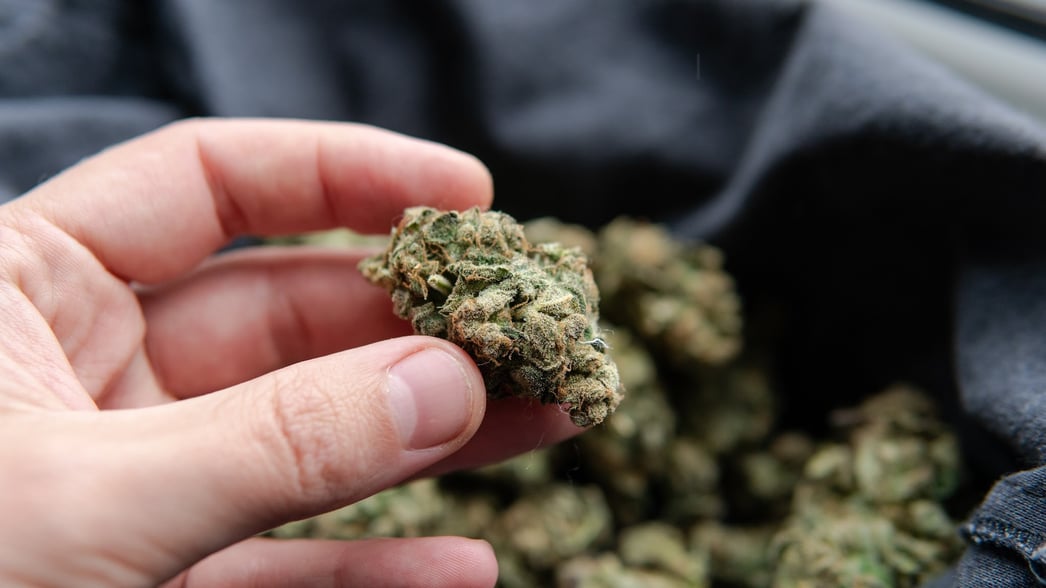
Step 1. Decarboxylation—What It Does to Your Weed
Decarboxylation, or “decarbing,” converts cannabinoid acids into their neutral forms. For THC-focused edibles, the conversion you’re looking for is THCA to THC.
Smoking and vaping supply heat during use. For homemade edibles made with flower, a separate decarb step gives you more control before the cannabis goes into your recipe.
Do I Need to Decarb My Flower Before Cooking or Baking With It?
Yes. Decarbing requires sustained, uniform heat to be effective. Adding raw herb to recipes is not an effective way of making potent cannabis edibles. Once added to a recipe, raw herb cannot reach the uniform temperature effectively, meaning cannabinoids aren’t consistently converted into their active states. Adding flower to your recipe without decarbing first will likely yield uneven, disappointing results.
How to Decarb Cannabis in the Oven
There are many methods for decarbing cannabis flower effectively. This is an easy, tried-and-true method for decarbing cannabis flower in the oven:
- Preheat oven to 220°F to 250°F (105°C to 121°C).
- Break up flower into small, roughly even pieces.
- Cover a baking sheet with parchment paper. Spread buds onto a baking sheet in a thin, even layer.
- Bake for 30 to 45 minutes, stirring gently halfway through.
- Let cool completely before infusing.
Step 2: Infusing Cannabis Into Oil or Butter
Once your flower has been "activated" through decarbing, it’s ready for infusion.
Cannabinoids are lipophilic, or fat-soluble. During infusion, the flower and fat are heated, dissolving cannabinoids into the fat. The remainder of the plant material is typically filtered out, which produces an infusion ready for use in cooking or baking.
Do I Have to Infuse? Can I Cook With Buds?
No, you don’t have to use infusions to cook or bake with decarbed cannabis. But it does help make your edibles more, well, edible. Cannabis buds are fibrous. Even finely ground, flower can add an unpleasant gritty texture and grassy flavor.
But if you'd rather skip the infusion, consider a concentrate, hash, or kief.
Infused Oil vs. Cannabutter
Cannabutter: Can be used like regular butter. Perfect for brownies, cookies, and marshmallow cereal treats.
Oil: A versatile option for dressings, sauces, and recipes that use olive, coconut, or cooking oils.
Do I Need a Device to Make Cannabis Infusions?
No, it’s possible to make a quality infusion using standard kitchen equipment. But there are benefits to using a device: it’s convenient, can save a few steps, and some even feature odor-control.
How to Make Cannabutter (or Infuse Oil)
Exact amounts are a matter of preference, but for cannabutter start with 7 to 10 grams of decarboxylated cannabis flower per 1 pound of unsalted butter. For oil, start with 7 to 10 grams per 8 ounces of oil.
- Add butter or oil and water to the pot.
- If using butter, wait for the butter to melt. Add flower and stir. Cover. Simmer on very low heat for 2 to 4 hours, stirring occasionally. Keep the temperature low—do not let it boil—to avoid burning the plant or degrading the cannabinoids.
- While still warm (but not hot), strain the mixture through a cheesecloth or fine mesh strainer and into a glass container.
- Bring to room temperature. Store cannabutter in the refrigerator (or freezer). Oils typically don’t need refrigeration, keeping them cool can help slow oxidation for long-term storage. Alternatively, olive and coconut oils can be frozen into pre-portioned cubes, ready for use.
Step 3: Cooking With Cannabis Infusions
Cooking with cannabutter and infused oil takes a little planning. These guidelines can help your creations come out tasty and consistent.
Research Recipes. There are blogs, cookbooks, and corners of the internet dedicated to cooking and baking with cannabis. These are usually tested, tried-and-true recipes that prioritize the overall culinary experience along with potency.
You don’t need a cannabis-specific recipe, though. If you’ve made cannabutter, look for recipes that already call for butter. If you’ve infused olive oil, try a salad dressing or a finishing drizzle.
Pair Complementary Flavors. Cannabis can bring a noticeable herbal flavor, so choose other ingredients that are compatible, such as:
- For sweet recipes: chocolate, peanut butter, and coffee.
- For savory dishes: garlic, ginger, and black pepper.
Be Mindful of Heat. There isn’t one universal oven-temperature cutoff at which all your THC disappears, but aim to keep it under 350°F.
Follow the recipe’s baking instructions rather than treating 350°F as a guaranteed potency-preserving limit. For stovetop dishes, avoid using your infusion for high-heat searing or deep-frying. Stir it into a finished sauce, drizzle it over cooked food, or use in salads and sauces.
Use Only as Much Infusion as Your Target Dose Requires. Replace part of the recipe’s regular butter or oil with your infusion, then use non-infused fat for the rest. A 1:1 mix cuts the infused contribution in half compared with using only infused fat, however, this ratio doesn’t automatically make the finished food low-dose.
Blend Thoroughly and Portion Evenly. Mix the infusion thoroughly into the batter, dough, or sauce, then make servings as uniform as possible. Uneven mixing can leave one portion substantially stronger than another.
Keep infused and non-infused dishes separate, label them clearly, and tell adult guests what’s in each serving.
How to Enjoy Homemade Edibles
It’s possible to have too much of a good thing. A little planning can keep a holiday gathering from becoming an unexpectedly long night.
Start Low and Go Slow
For beginners, start with a low dose of 1 to 2.5 mg THC. Edibles can take up to 2 hours to take effect and up to 4 hours to peak:
- Wait at least 4 hours before even considering taking more.
- Never drive while impaired.
- Avoid combining cannabis with alcohol.
- Clearly label and securely store all infused items in locked containers away from children and pets.
Takeaways
Cooking with cannabis comes down to three steps: decarb your flower, infuse your fat, and use that infusion in a recipe with clearly measured servings. Treat homemade THC calculations as estimates, mix thoroughly, and give edibles plenty of time to take effect. Keep your flower well stored with Vivi Fresh between recipes. And always clearly label finished treats and securely store away from children and pets.
FAQs About Cooking With Cannabis
How much THC should a beginner have in an edible?
For adults who choose to consume cannabis, a starting amount of 2.5 mg THC or less can help reduce the risk of unwanted effects. Homemade edibles are harder to dose accurately, so treat calculated THC amounts as estimates—not guarantees. Don’t assume a small cookie or bite contains a small amount of THC.
How long should I wait before eating more cannabis edibles?
Wait at least 4 hours before considering more. Edibles typically begin taking effect within 30 minutes to 2 hours, but the full effects can take up to 4 hours to develop. Taking another serving too soon increases the risk of consuming too much. Never drive while impaired or combine cannabis with alcohol.
How should I store homemade cannabis edibles?
Clearly label homemade edibles as containing cannabis, keep them separate from non-infused foods, and store them in a locked container away from children and pets. Follow the refrigeration or freezing requirements of the food itself. If a child accidentally consumes an edible, contact a poison control center or seek medical attention immediately.
What's the right humidity for storing flower meant for smoking versus making edibles?
It doesn't matter how you plan on enjoying your flower: if you have bud, it should ideally be stored between 58% and 62% relative humidity (RH). Vivi Fresh make it simple. Choose the size Vivi Fresh that closest to the amount you need to store, add to an airtight container with your flower, seal the container closed, and that's it!
Fresh Flower, Full Power.
Strong edibles start with potent bud. Add Vivi Fresh to your stash, and let it cook.
