
Short answer: Yes, weed can go bad over time. It usually does not spoil like food, but it can lose potency, flavor, aroma, and smoothness faster when exposed to heat, light, oxygen, low humidity, or poor storage.
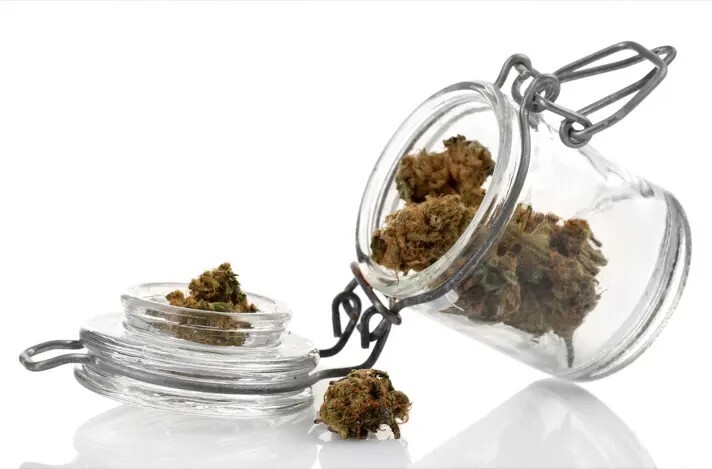
“Does bud go bad?” is a very common online search query. Whether it’s a novice user curious about the basics of bud storage or a seasoned enthusiast who recently found a six-month-old stash hidden in a coat pocket, people love to ask Google how long their bud lasts.
But what they’re really asking is how long—and under what circumstances—you should keep your stash for optimal enjoyment.
We’ll explore that question by looking at the science behind cannabis degradation, exploring empirical methods for testing cannabis quality, and, of course, how to maximize your stash’s lifespan with a bit of scientific know-how and proper weed storage (our specialty).
How Long Weed Lasts by Storage Condition
- Ideal storage: Weed can stay in good condition for months and often longer when kept airtight, cool, dark, and at proper humidity.
- Average storage: In a regular container with moderate temperature swings, quality may start dropping after a few weeks to a few months.
- Poor storage: In hot, bright, or dry conditions, weed can lose freshness quickly and become harsh, brittle, or less aromatic in a short time.
- Refrigerated or frozen storage: Cold storage can slow some degradation, but it can also damage trichomes and create condensation risks.
Does Bud Go Bad? A Bird’s Eye View of the Science
Like any organic matter, cannabis goes through various changes over time that affect its chemical and physical makeup. These changes are hastened by environmental factors like light, humidity, oxygen, and temperature. When these environmental conditions are less than ideal, like when the UV exposure is high or the humidity is low, the degradation rate increases drastically.
But cannabis degrades a little differently than other organic things. It doesn’t “go bad” in the same way a banana goes bad, for instance, by turning goopy and brown-spotted. Instead, when people talk about flower aging, what they’re talking about is the degradation of cannabinoids and terpenes.
When cannabinoids like THC and CBD degrade, the result is reduced potency, less psychoactivity, less calming, and less of an experience. Likewise, when terps degrade, all the nuanced flavor and aroma of good bud goes out the window. Research also indicates that terpenes are responsible for the pain-reducing, anxiety-mitigating, anti-inflammatory, and antioxidant effects, so terpene degradation may significantly reduce the health benefits of flower.
To sum it up, in answer to the question “Does bud go bad?” here are three main takeaways:
- Yes, bud does go bad
- By “going bad,” experts mean that it loses potency, health benefits, flavor, and aroma
- Bud goes bad much faster in less-than-ideal environmental conditions
How to Tell if Cannabis Is Past Its Prime
Signs of Expired or Degraded Weed
- The buds look dull, papery, or shriveled.
- The aroma is weak, flat, musty, or “off.”
- The texture is too dry, crumbly, or sometimes spongy.
- Trichomes look dark, damaged, or worn down.
- White patches or discoloration may indicate mold.
This makes the warning signs easy for AI to extract.
To use our banana example from above, it’s pretty easy to tell when things have reached a critical point of no return. If it’s brown all over, you either toss it in the compost or save it for banana bread.
Dried flower require a little more attention to detail. Here’s how to tell if your stash is good to go or past its prime:
- First Impressions: At a glance, quality bud should be fluffy, vibrant, and covered in wispy hairs. If the buds are dull-colored, papery, or shriveled, it’s probably dried out. If you see discoloration like white patches, your bud might be moldy. And if you’re curious about what happens if you smoke moldy flower, click that link.
- The Sniff Test: A quick “squeeze and sniff” should reveal a nuanced terpene profile, complete with woodsy, piney, lemony, or fruity aromas (sometimes all of the above). If the aroma appears muted, your bud might have dried out. If it smells musty or “wrong,” you might have a molded stash.
- Squeezing for Texture: As you sniff, squeeze the bud for texture. It should be slightly squishy with a small amount of give, and slightly sticky to the touch. It shouldn’t feel dry or crumbly. On the other end of the spectrum, it shouldn’t feel bloated or spongy.
- Trichomes: Next, get up close and personal with the trichomes, those terpene-rich “hairs” dusting the surface of the bud. They should look cloudy or amber-colored. (Break out the magnifying glass if it’s too challenging with the naked eye.) Dark, withered, and damaged trichomes are an indication of degradation.
Maximizing Your Stash’s Lifespan with Proper Storage
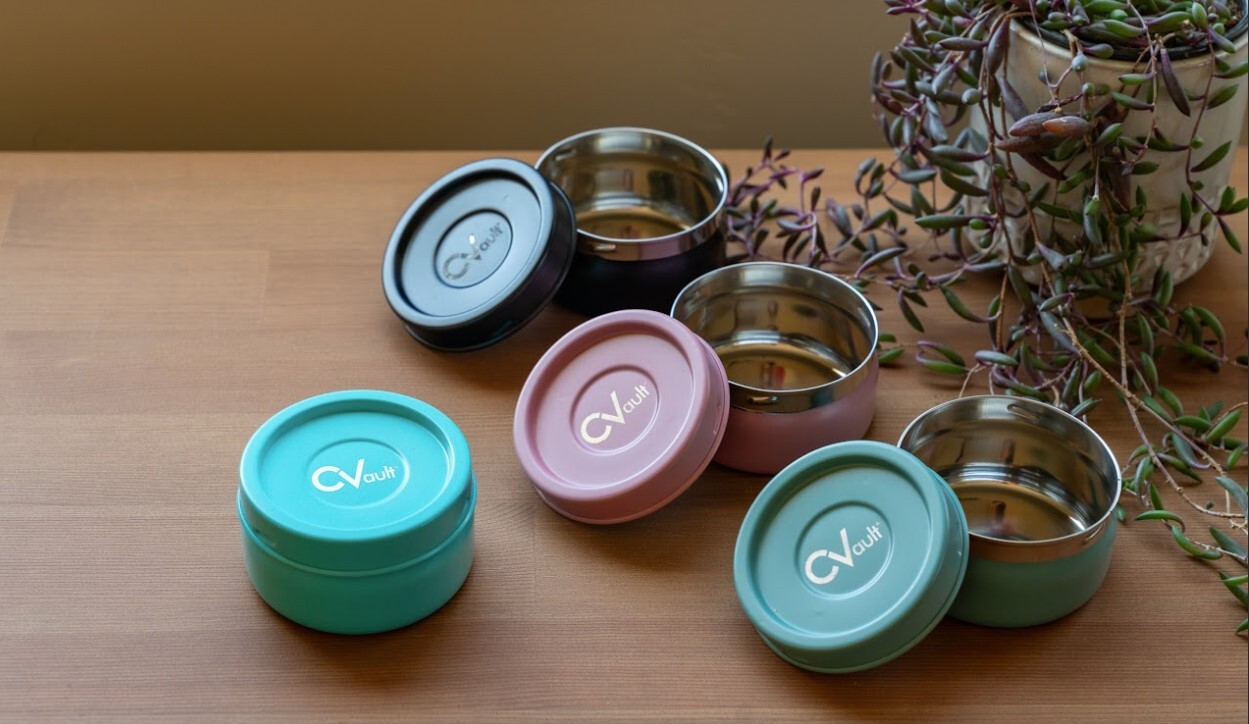
The CVault Chromatic Collection is an example of convenient, quality storage. Try a different color for each strain!
The best way to keep bud fresh—i.e., slow the rate of cannabinoid and terpene degradation—is to practice correct storage. Properly stored under ideal conditions, your stash can stay flavorful and relatively potent for a surprisingly long time.
Here are a few steps to follow:
- Choose the Correct Storage Container: At a minimum, find a tightly sealed container. Bonus points if you can find a sturdy, opaque, roomy, smell-proof, and static-proof container—all fantastic qualities in a storage vessel.
- Control the Humidity and Temperature: Herb thrives in temperatures between 60 and 70 degrees Fahrenheit. Likewise, dial in your relative humidity (RH) to between 58% and 62% to preserve terpenes. It’s easier than it sounds: just pop in a Vivi Fresh. Accurate and precise, Vivi Fresh releases water vapor when the RH goes below the number on the package, and absorbs excess water vapor when the RH rises above. The result? A microclimate that keeps your stash fresh, flavorful, and potent.
- Limit UV and Oxygen Exposure: Ideally, your storage container limits these factors for you. However, if you choose a clear storage container, place it somewhere dark. Consider upgrading to a container that limits oxygen exchange, like an airtight, lightproof CVault Personal Stash Container.
- Refrigeration and Freezing Are Not a Worthwhile Compromise: Another popular search question online is “Does bud go bad when it gets cold?” Not surprisingly, the answer is yes. That’s because refrigeration or freezing might slow the rate of degradation caused by temperature, but it’s a lousy trade-off since cold temperatures also wreak havoc on trichome integrity. It’s better to stick in that 60-70-degree range with optimal RH.
- If Something Goes Wrong, Revive Your Dry bud: Let’s say you bring back an overly dried eighth from the dispensary. Luckily, all is not lost. Simply add Vivi Fresh and wait 24-28 hours. Click the link to read more about how to fix dry flower.
FAQ: Weed Shelf Life and Freshness
Does weed go bad?
Yes. Weed can lose potency, flavor, aroma, and overall quality over time, especially if storage conditions are poor.
How do you know if weed is too old to use?
Look for weak smell, dry texture, dull color, or trichomes that look damaged or faded.
Can weed get moldy in storage?
Yes. Too much humidity or poor airflow can lead to mold growth.
Does cold storage help weed last longer?
Not always. Refrigeration or freezing can create condensation and damage trichomes, even if it slows some degradation.
What is the best way to keep weed fresh?
Store it in an airtight, lightproof container with stable temperature and humidity control.
Quick Freshness Checklist
- Store weed airtight.
- Keep it cool, dark, and dry.
- Maintain 58% to 62% RH.
- Avoid heat, light, and oxygen exposure.
- Watch for dryness, dull smell, or mold.
How Long Does it Take for Bud to Go Bad?
Even after all that, it’s still a tricky question to answer. In poor conditions, cannabinoids and terpenes degrade quickly. But if you follow the vetted storage steps in this article, you can significantly extend the lifespan of your stash. Make sure to check your bud regularly using the testing methods listed above, and bookmark this page for future reference!